
Capability
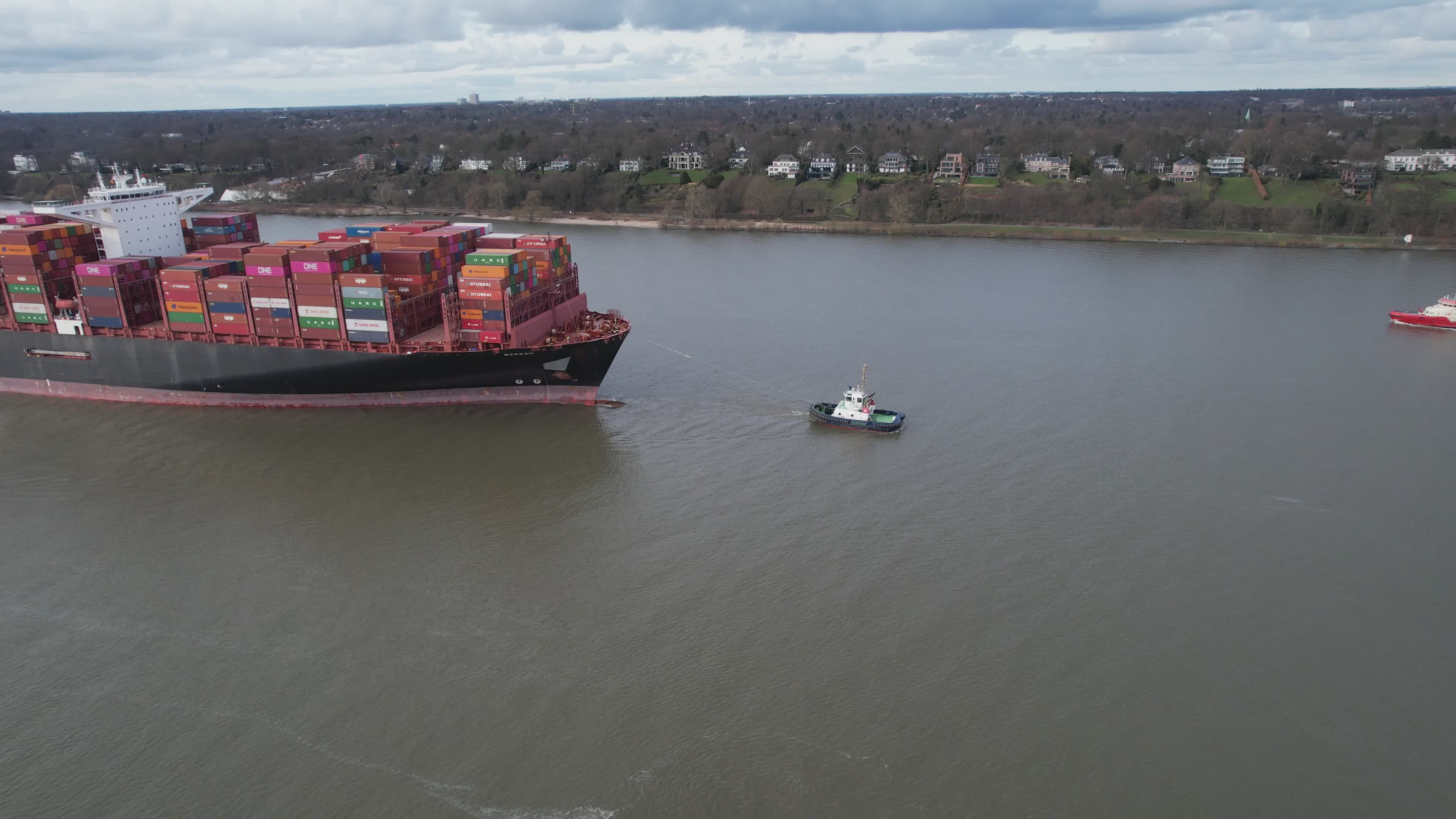
A small boat moves a large ship.So does a small defect.
Dispute and chargeback losses rarely rise because fraud rose. They rise because the same event enters twice, a provisional credit is never reversed, or a right to represent lapses unused.
Loss mechanisms
Three ways money leaves without anyone deciding to send it.
Unreversed provisional credit
The dispute was decided in the institution's favour and the credit was never taken back, because reversal was a manual step with no exception report.
Duplicate credit across channels
The same underlying transaction entered through two intake paths with no shared key, and both paid.
Lapsed representment rights
Network deadlines were tracked per case and never in aggregate, so eligible disputes expired unexercised.
Approach
What an examination establishes.
| Question asked internally | Question the examination answers |
|---|---|
| Did dispute volume increase? | Which specific transactions were credited more than once? |
| Is our loss rate in line with peers? | Which credits remain outstanding against a decision that went the other way? |
| Are agents following the process? | Which eligible disputes expired before representment was filed? |
| What is the estimated impact? | What is the deterministic exposure by mechanism, with no overlap between totals? |
Records examined
Sources taken into custody.
Dispute intake
All channels, matched on transaction identity rather than case identity.
Provisional credit
Issue, decision and reversal events across the full period.
Network settlement
Chargeback, representment and arbitration outcomes.
Contract terms
Network rules and deadlines in force at the date of each dispute.